

Introduction
Gatherings and Traditions During Ramadan
Ramadan in the UAE
How Sands UAE Celebrates Ramadan
Inside the Sands UAE Ramadan Collection
The End of Ramadan
Frequently Asked Questions
Collection
Ramadan: A Month of Reflection and Renewal
Ramadan is the ninth month of the Islamic lunar calendar and one of the most sacred times in the Muslim faith. Observed by over 1.8 billion Muslims worldwide, Ramadan is a month dedicated to spiritual growth, self-discipline, and devotion. For 29 or 30 days, depending on the lunar cycle, Muslims fast from dawn until sunset during Ramadan, abstaining from food and drink as an act of worship and a deepening of faith.
The start of Ramadan is guided by the sighting of the new moon, a tradition that connects observers to centuries of Islamic practice and to the natural world itself. Because the Islamic calendar is lunar, Ramadan shifts by approximately 10 to 11 days earlier each year on the Gregorian calendar. This natural cycle means that over time, Muslims experience Ramadan in every season. From long summer days where fasting stretches across many hours, to shorter winter evenings that bring earlier relief, each season brings its own unique character. The length of daylight, the temperature, the feel of the air, all contribute to how the month is experienced and remembered.
Ramadan holds deep significance across cultures and generations. It's a time marked in calendars, anticipated in households, and observed with reverence in communities around the world. Whether in the UAE, across the Middle East, or in Muslim communities globally, Ramadan represents a shared commitment to faith and a collective embrace of something greater than daily concerns.
What makes Ramadan powerful is its ability to unite the personal and the communal, the traditional and the contemporary. It's a month that carries profound meaning while fitting naturally into modern life, offering structure, purpose, and connection in ways that resonate across different contexts and experiences.
Ramadan 2026
Ramadan 2026 is expected to begin in the evening of February 17, 2026, with the first day of fasting likely to fall on February 19, 2026, subject to the official sighting of the moon. As the Islamic calendar follows the lunar cycle, the exact start date is confirmed only upon the appearance of the new crescent moon. Like each year, Ramadan 2026 will shift earlier compared to the previous year, reflecting the rhythm of the lunar calendar.

The Significance of Fasting
Fasting during Ramadan is both a physical practice and a spiritual journey. It's a time to step back from daily routines and focus inward, cultivating patience, empathy, and gratitude. The experience of hunger and thirst creates a deeper understanding of hardship, fostering compassion for those who face these challenges beyond the month.
This period of restraint sharpens awareness and encourages mindfulness in all aspects of life. It's an opportunity to break unhealthy habits, strengthen self-control, and realign priorities. The discipline required becomes transformative, teaching that true strength comes not from indulgence but from intentional choice.
Ramadan also emphasizes balance. While the days are marked by fasting and reflection, the evenings offer release and celebration. It's a month that honors both sacrifice and joy, solitude and connection, restraint and abundance. This duality creates a unique rhythm that defines the entire experience, making Ramadan not just a religious obligation but a deeply enriching chapter in the year.


Ramadan in the UAE
Ramadan in the UAE carries a distinct atmosphere that blends tradition, culture, and modern living. During the day, cities adopt a quieter rhythm as working hours are adjusted and daily life slows in respect of the month. There is a noticeable sense of calm, reflection, and consideration across public spaces.
As sunset approaches, the mood shifts. The call to prayer signals the time for Iftar, and families gather to break their fast together. Homes become centers of hospitality, while hotels and restaurants across Dubai and Abu Dhabi host beautifully curated Iftar and Suhoor experiences. Elegant Ramadan tents, often set against city skylines or waterfront views, combine traditional décor with contemporary design, creating refined spaces for gathering.
Generosity is deeply visible throughout the UAE during Ramadan. Community initiatives, charitable drives, and shared meals are common, reinforcing the spirit of unity and care. It is also a time when social visits increase, with friends and extended families reconnecting over evening meals and late-night conversations.
Fashion during Ramadan in the UAE often reflects modest elegance. Flowing silhouettes, soft tones, and timeless accessories complement the tone of the season. As the month progresses toward Eid, there is a growing sense of celebration, with carefully chosen outfits and meaningful gifts marking the conclusion of the month.
Ramadan in the UAE is therefore not only a religious observance but a cultural season defined by hospitality, refinement, and togetherness. It represents a period where tradition and contemporary lifestyle meet, creating a unique and memorable atmosphere across the country.


Inside the Sands UAE Ramadan Collection
The Sands UAE Ramadan Collection brings together a carefully curated selection of pieces chosen to reflect the elegance and spirit of the season. Designed to complement Iftar gatherings, Suhoor evenings, and Eid celebrations, the collection focuses on timeless design, refined craftsmanship, and understated sophistication.
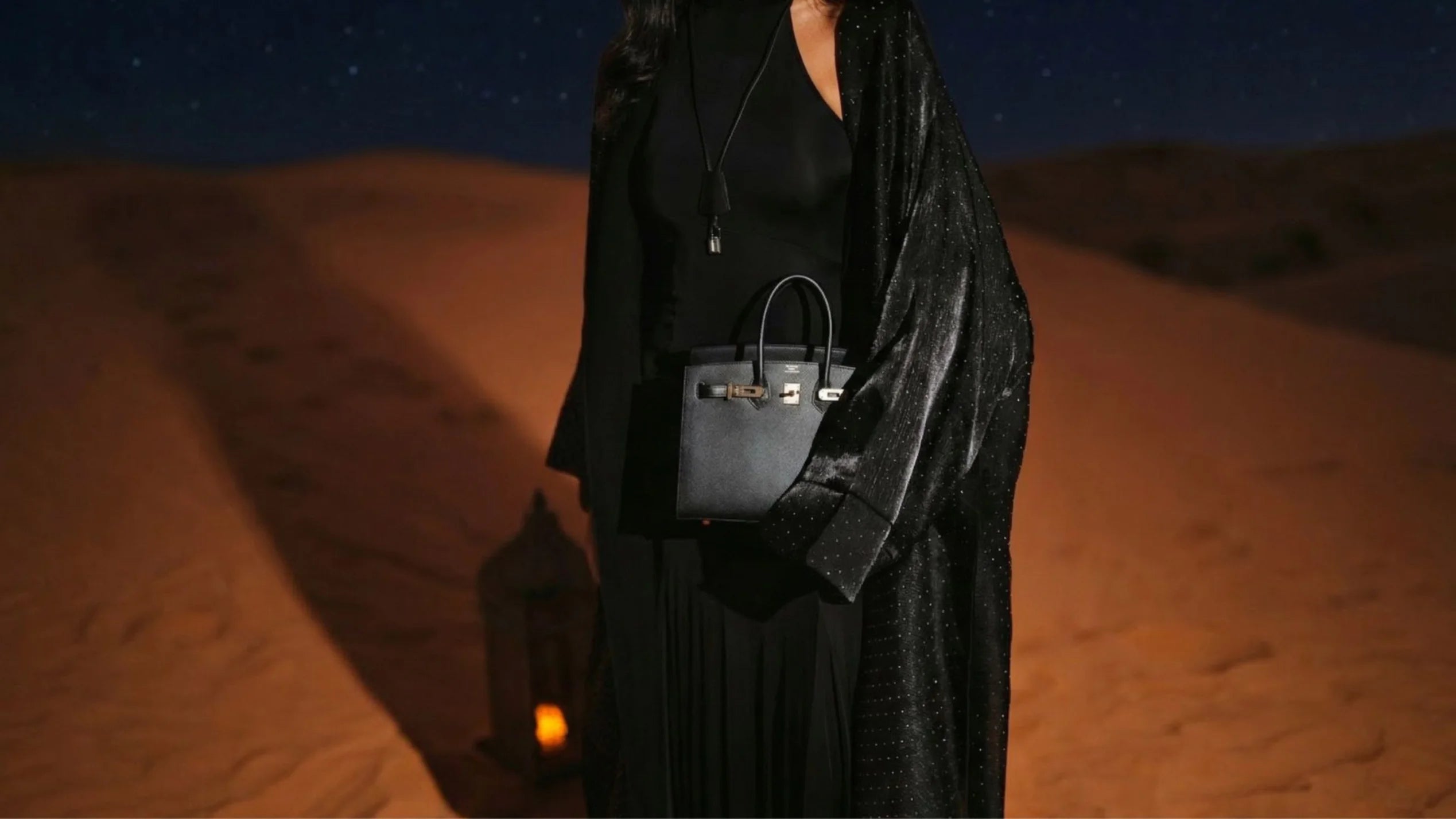
Among the highlights are flowing creations from Taller Marmo, known for their graceful silhouettes that suit Ramadan evenings, alongside the quiet luxury of Loro Piana, offering soft textures and elevated essentials. Iconic handbags such as the Hermès Birkin and Kelly remain central to the collection, representing enduring craftsmanship and lasting value. For more relaxed yet refined moments, Hermès Oran sandals offer effortless elegance, while contemporary designs from Maison Margiela introduce a modern touch.
Each piece within the Sands UAE Ramadan Collection is selected to align with the mood of the month, modest yet polished and timeless yet relevant. Whether chosen for personal wear during gatherings or as a meaningful gift, the collection reflects intention, heritage, and lasting style.
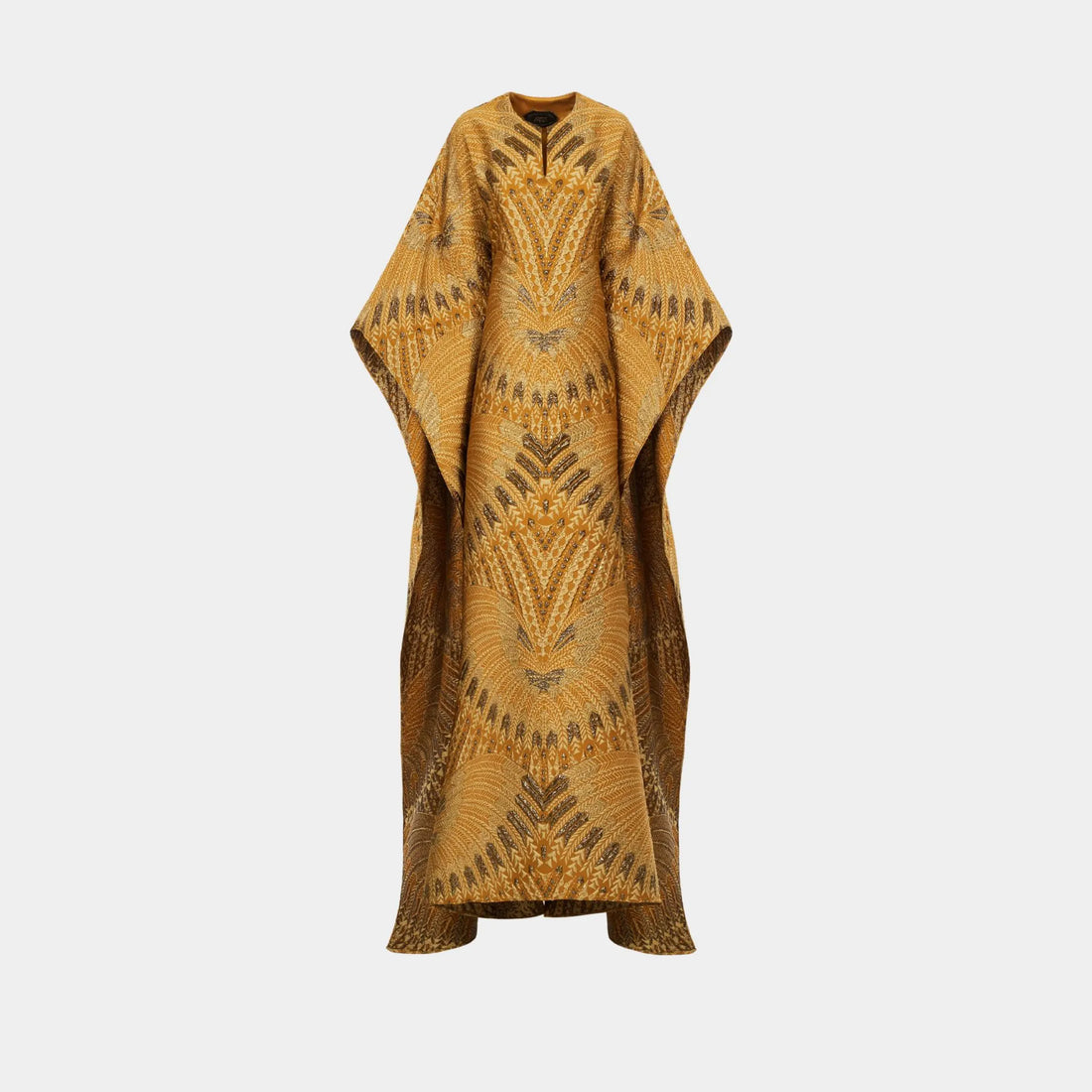

Refined pieces for meaningful Ramadan moments
The End of Ramadan
As Ramadan draws to a close, the final days feel especially meaningful. There's something bittersweet about these last evenings, knowing that a cherished time is coming to an end. It's a moment to look back on the journey with gratitude and recognize how much has changed within.
The last ten days carry extra significance. Many stay up late in prayer and reflection, not wanting to let the month slip away. These nights have a quiet intensity, a wish to treasure every remaining moment. Families gather with deeper awareness, knowing the rhythm they've embraced will soon shift once more.

The end of Ramadan arrives with the sighting of the new moon, marking both an ending and a new beginning. This signals Eid al-Fitr, a joyful celebration that honors the completion of the fast and welcomes a return to everyday life, now enriched by the month's lessons.
What makes the close of Ramadan special isn't just what happened during the month, but what stays with you after. The discipline you practiced, the empathy you developed, the bonds you strengthened, these don't vanish when fasting ends. They become part of how you live.
Ramadan doesn't end abruptly. It transitions gently. The values you embraced, the patience you learned, the gratitude you felt, they continue to shape your days long after the final iftar. It's a month that leaves its mark quietly but powerfully, reminding us that real change doesn't shout. It simply becomes who we are.
Frequently Asked Questions
What is Ramadan and why is it observed?
Ramadan is a sacred month observed by Muslims around the world as a time of reflection, discipline, and spiritual growth. It is marked by fasting from dawn to sunset and encourages gratitude, patience, and generosity.
How does the lunar calendar determine the start of Ramadan?
Ramadan begins with the sighting of the new moon, as the Islamic calendar follows the lunar cycle. Because the lunar year is shorter than the solar year, Ramadan shifts earlier each year by about ten to eleven days.
How is Ramadan celebrated in the UAE?
In the UAE, Ramadan is observed with a balance of tradition and modern life. Working hours are adjusted, the pace of daily life becomes calmer, and evenings are centered around Iftar gatherings with family and friends.
What are common traditions during Ramadan in the UAE?
Common traditions include hosting Iftar and Suhoor meals, community charity initiatives, and visiting family and relatives. Elegant Ramadan tents and hospitality experiences are also popular across the country, especially in major cities like Dubai and Abu Dhabi.
Why is generosity emphasized during Ramadan?
Generosity is a core value of Ramadan, encouraging individuals to give to those in need and support their communities. Acts of kindness, charitable donations, and sharing meals reflect the spirit of compassion that defines the month.
